


Still Toyota? What about Volkswagen?
COLUMN - Michael Ballé on why Toyota still inspires him in a way that no other organization can, and on the lessons lean thinkers can learn from the two most successful carmakers.
Words: Michael Ballé, lean author, executive coach and co-founder of Institut Lean France
Toyota, Toyota… but is the Japanese carmaker still a relevant exemplar? What about its archrival for numero uno, Volkswagen? Shouldn’t we be looking to them as well for lessons? These are some of the very valid questions I’m often asked and that I’m hard put to answer.
Personally, as a student of lean in its many forms, I have to say I still find Toyota fascinating because it keeps surprising me. From a pure lean manufacturing point of view, the production line I’ve seen in Japan is my benchmark – I haven’t seen anything leaner anywhere else, with rigorous takt, smooth work flow, incredible model diversity and very, very little waste (at least to my eyes).
Toyota also keeps surprising me in the way it reacts to events or lines up its new cars. For my money’s worth, it remains at the forefront of lean thinking in terms of 1) coming up with innovative products, 2) levelling and leaning production, 3) reducing work content and equipment cost in its manufacturing operations, 4) through a constant commitment to develop people. Indeed, the latest gossip about Toyota replacing robots with people (not quite: Toyota is choosing highly skilled operators to make a few parts by hand in order to kaizen their automated lines) is a typical sign of lean thinking being alive and kicking in the company.
I have to confess I don’t know much about Volkswagen first hand – I’m a student of lean, not automotive – but I’ve visited Porsche’s production lines and met with their engineers. Porsche’s revival in the 1990s coincided with its lean drive (yes, yes, correlation doesn’t necessarily mean causation), and Porsche’s lean approach is rather unique inasmuch as it has focused on radically reducing work content rather than the shop floor productivity kaizen so many companies obsess about. The reduction in work content has been spectacular and continues to this day, leading to a fascinating modular approach. I’m told that Ferdinand Piëch, chairman of the supervisory board at Volkswagen, insists on okaying in person any changes to module definition.
If there is one lesson I would draw from both companies is that the key to long-term success is a CEO obsessed with creating products for their customers.
Dr Piëch has been directly involved with more hit cars than any one else in the industry (as well as some duds). Akio Toyoda is a through and through car man, and has been involved in designing several Lexus or Toyota models. Conversely, Toyota’s much discussed “troubles” happened under the aegis of its previous CEO who made his career as a cost-cutter in purchasing.
I work with CEOs on a daily basis and I don’t envy their work – the number of issues they have to deal with is astounding (I’d find it overwhelming). It’s tempting to think that if one gets everything right, from the Executive Reporting IT system to the company’s hiring policy, somehow the company will succeed. Many lean consultants reinforce that idea by arguing that if each process is optimized, the sum will perform better.
Evidence clearly argues against this.
The key to true lean thinking, whether in its TPS or Porsche form, is to obsess about customer value, develop people accordingly and teach them how to work better together so they’ll come up with smart processes. Best is the enemy of good, or, more accurately, optimization is the enemy of improvement.
Here’s another lesson to take away from the two most successful automotive companies:
- product is everything;
- product and process are indistinguishable;
- an organization should focus on value and deal with everything else on an ad hoc basis.
Read more

FEATURE – When market changes caused operational problems in their firm, two top managers decided to stick to lean thinking (and a set of specific practices) – learning to focus on what truly matters and letting their people embrace problem-solving.

1 QUESTION, 5 ANSWERS – Without the active participation of people in improvement activities, lean is nothing but theory. Sadly, engaging folks is easier said than done. We asked five lean practitioners to share their approach to people engagement.
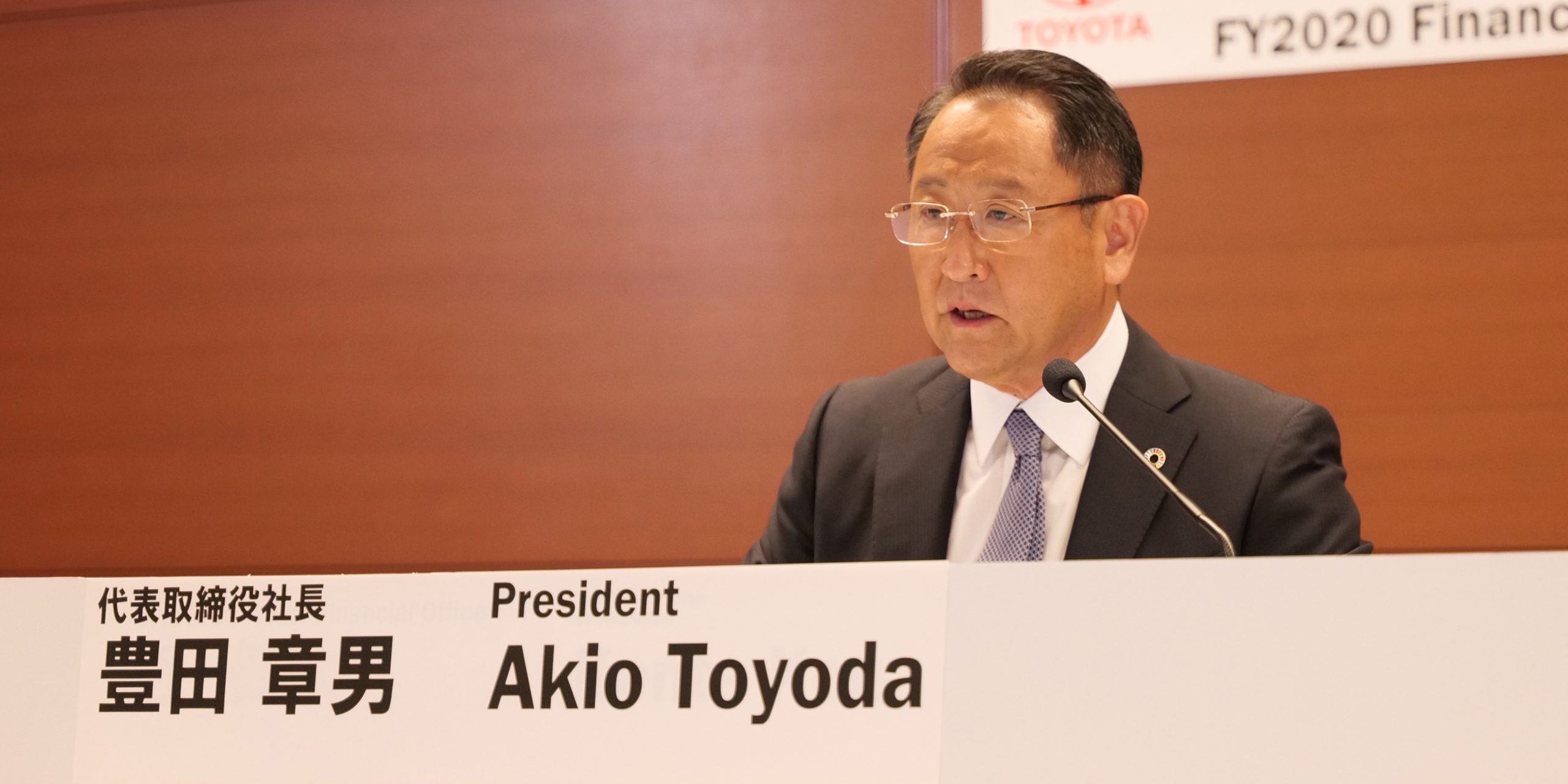
FEATURE – Akio Toyoda’s May 12th press conference to present Toyota’s financial results offers great insights into how the company is reacting to the pandemic, say Jeff Liker and John Shook.
REVIEW - Michael and Freddy Ballé’s new novel, which came out this week, will help readers to understand what it really means to be a lean leader and respect people.