



FEATURE – The author examines the term “stupidity” as the brain's default mode—motivated reasoning, cognitive dissonance, and groupthink—and how Lean's problem-awareness culture counters willful blindness to inconvenient truths.

FEATURE – Variety in sensei approaches can cause a lot of confusion. The author sheds light on the subject by describing a sensei’s five modes of interacting with individuals and teams.

FEATURE – In this intimate account, the author reflects on the role of a lean sensei by looking back at what he’s learned from his own… his father.

FEATURE – Our disposition towards learning changes depending on the amount of things we don’t know. The author explores this topic and the role of the sensei in enabling learning.

FEATURE – Looking at successful journeys, the authors explain why a true lean transformation requires a chain of mentoring in TPS to fulfil the promise of each person’s individual learning.

FEATURE – Why do lean transformations benefit from the support of a sensei? Michael Ballé discusses how we typically need help to take the emotions out of the work and go down uncomfortable paths.
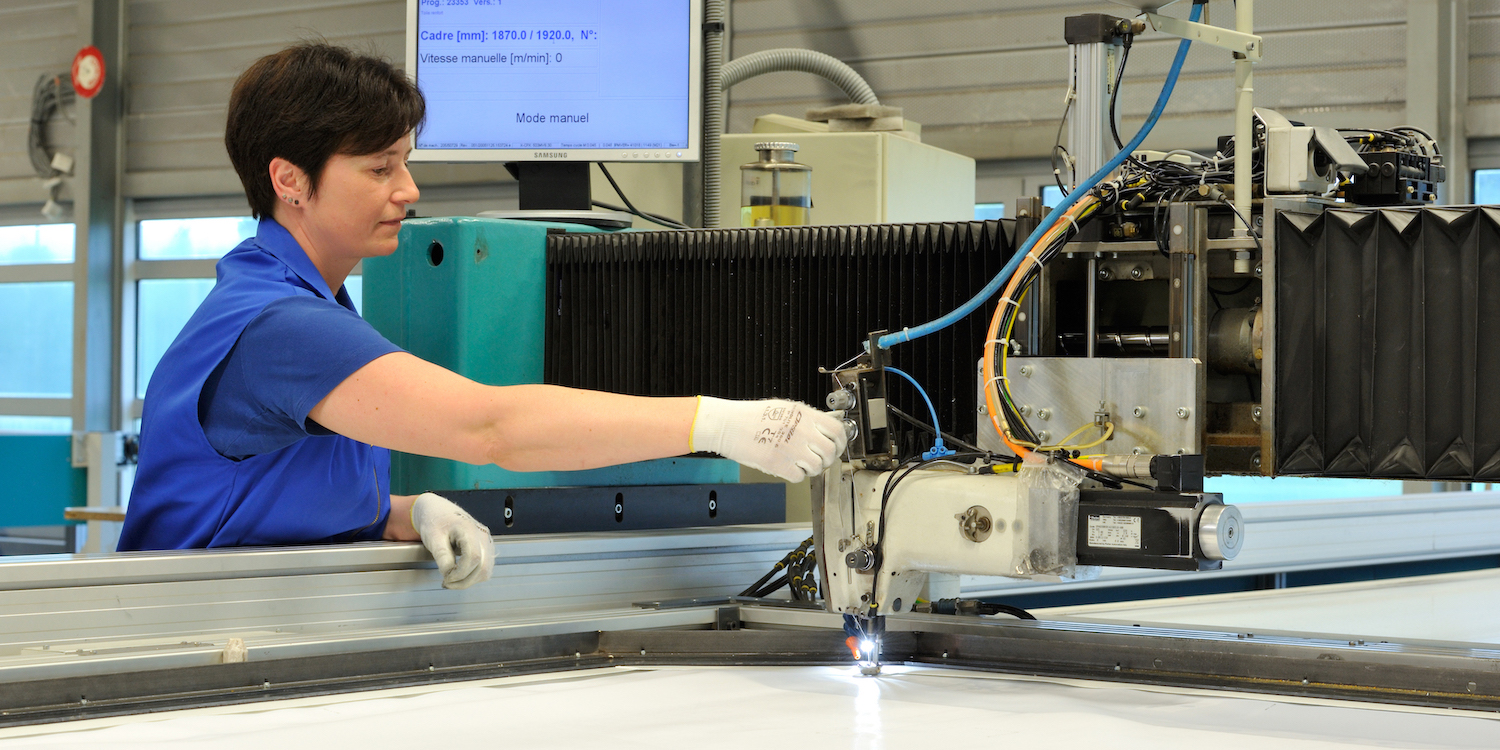
NOTES FROM THE GEMBA – It can take time to challenge our misconceptions and set off on a lean journey. Once we get it, however, it’s hard to stop the improvements, as this French company found out.
