


Can lean thinking transform our cities?
SEEN FROM OTHERS – Another interview in our series on how lean is perceived from the outside. This month we talk to an urban strategist to see if and how lean can contribute to transforming our cities.
Interviewee: Boyd Cohen, urban and climate strategist
Roberto Priolo: Why is it critical for the world to recognize that we need to change our cities?
Boyd Cohen: Cities may be the “last battleground” for us to right the ship and address the biggest global challenges including population growth, climate change and inequality. We are witnessing the largest migration in the history of mankind, with 1.3 million people moving to cities every week. But what kind of future is waiting for them?
RP: You wrote about cities acting like lean startups – in what way would lean startup principles apply to running and organizing a city?
BC: I believe lean approaches to city building and citizen co-creation are critical to remaking our cities. Citizens increasingly have more tools to be part of the solution, from Fab Labs and co-working spaces to communication and organizational tools. I wrote about this at length in my new book: The Emergence of the Urban Entrepreneur. Cities need to embrace new forms of innovating, embrace design thinking and lean startup ideas to rapidly test (and fail) and eventually succeed. Only then maybe does it make sense to scale a solution throughout the city or to other cities.
RP: An example of startup-like experiments is what many US cities have been doing with bike paths. Rather than investing millions in the new infrastructure, they have first tested it simply by painting lanes on the tarmac and using cones. Can you give us more examples? Are there any principles from “traditional lean” that in your mind would apply well to cities?
BC: Many urbanists refer to the lean approach in cities as popups. Popups are short-term experiments in cities designed to test citizen reaction and behavior to new ideas. There are popup parks, popup transit options, popup markets and much more. While this is very close to lean, one difference is that many of these projects do not start with true design thinking whereby the city first seeks to build empathy for citizens’ needs and identify clear problems that need creative solutions. They often are creative ideas generated by the city themselves. I think that in the future we will see more commitment to lean startup and design thinking in city administrations as ways to reinvent city operations and citizen engagement and co-creation, from building empathy to hypothesis testing and co-creating solutions. I also think we will see more citizens lead (not just co-create with cities) lean initiatives in their neighborhoods.
RP: What is the contribution that lean thinking can give to the improvement of our cities?
BC: Historically cities changed over very long periods of time (decades). The pace of change is accelerating and cities need to be able to react much quicker. But cities do not have unlimited resources. In fact they are resource-constrained (at least financially), while generally experiencing both growing populations and growing demands on infrastructure. This requires experimentation, innovation and new ways of thinking in cities. And the one place cities have an abundance of resources is with respect to the innovative capacity of its citizens. The question is how to tap into those minds in ways that can benefit the common good.
RP: Lean is often applied to city management – the most famous example is perhaps Melbourne, Australia, but there are others. In what other scenarios and lean environments can lean be applied? How do we go from lean in city government to lean cities?
BC: As I mentioned I think lean, or at least elements of lean, are already being embraced in cities around the globe in the form of popup projects. Yet, there is much more that can be done. As far as government goes, cities are the best organizational form to embrace lean thinking because city administrators and elected officials are closest to their electorate, therefore permitting much better engagement, interaction and of empathy. Mayors live in the same city as their citizens and experience the same pains (or at least many of the same ones) that everyone else does.
Boyd's books Climate Capitalism and The Emergence of the Urban Entrepreneur can be purchased here

THE INTERVIEWEE

Read more


FEATURE – What does it take to support a lean transformation from within? The author reflects on the role of the lean team in the turnaround of Brazilian insurance company SulAmérica.
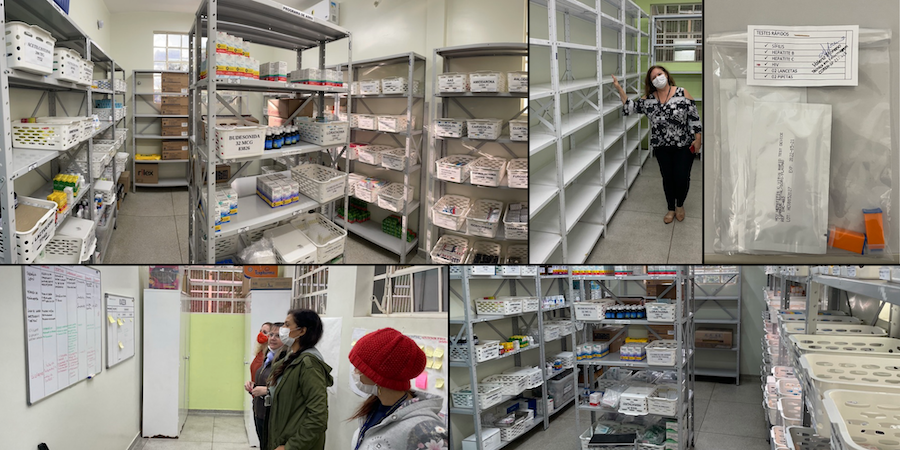
FEATURE – In this article, we hear about how the lean successes of one hospital inspired an entire healthcare authority to introduce changes to their processes.
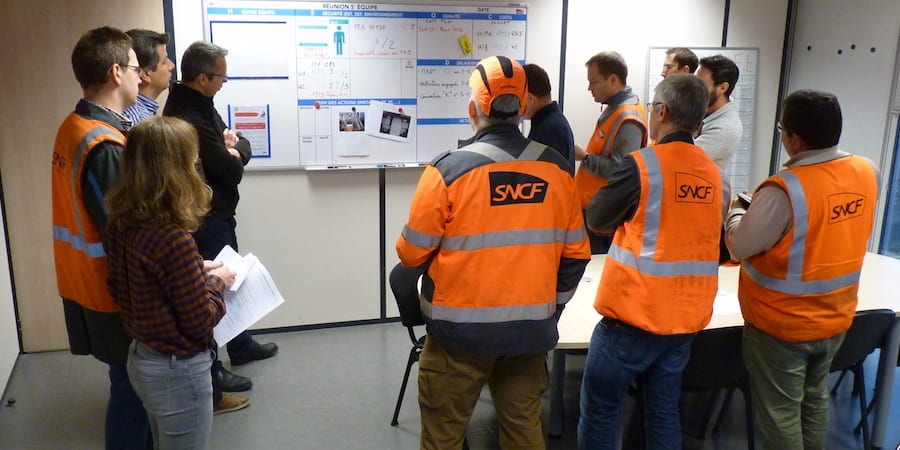
NOTES FROM THE GEMBA - We follow the author on a visit to a train maintenance center in France. Through practical examples and pictures from the gemba, she explains how the center is transforming itself.

INTERVIEW – What is the contribution of Lean Thinking to the battle against climate change? Michael Ballé discusses the Toyota approach to sustainability and what it takes to push "green" to the top of the business agenda.