

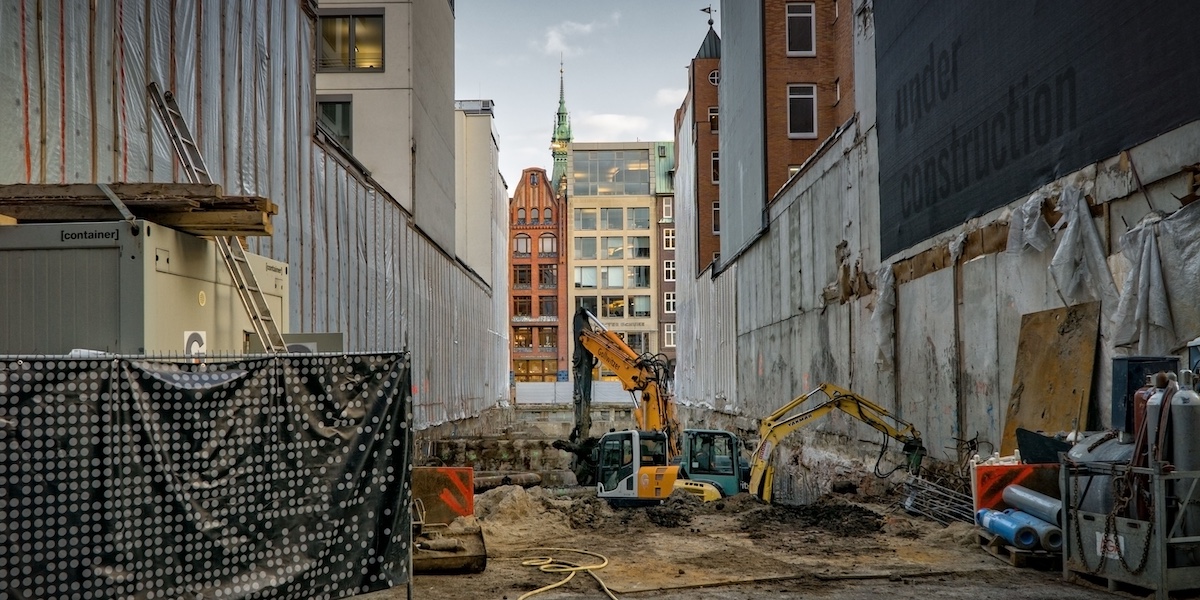
Rethinking construction through Lean and digital
FEATURE – Despite advanced technologies like BIM and AI, construction faces a productivity crisis. Combining Lean, digital tools, and industrialized methods offers a path to faster, more efficient delivery.
Words: Marek Demčák, former Strategy Director, YIT Slovakia
At first glance, construction seems to be in the middle of a technological revolution. Tools like digital twins, BIM models, or AI-driven design allow us to simulate, optimize, and visualize buildings before a single brick is laid. Today, we can model every pipe, every valve, every detail of a building long before construction begins. We can even compare different construction approaches and select the fastest, most efficient one.
And yet, despite all this progress, something doesn’t add up. If we look at the results, not the tools, construction is not becoming dramatically faster. In fact, in many cases, it is becoming slower. This is the uncomfortable truth behind the excitement around digitalization: technology alone is not transforming construction.
In our industry, there is a productivity problem hiding in plain sight. To understand the issue, it helps to look back: in the early 20th century, projects like the iconic Empire State Building were completed at astonishing speed. Over 200,000 square meters built in just over a year. Similar levels of speed could be observed in projects across the world.
Compare that to today. Our safety standards are (luckily) much stricter than they were a century ago, but that alone doesn’t explain the chronic slowness of our industry. We have better machinery than ever and advanced planning tools, but most projects still take significantly longer than they would have 100 years ago.
This is not a technology problem. It is a productivity problem that raises an important question: if we have better tools, why are we not getting better results?
The answer begins with a core lean principle: lead-time. This is where we should always start: as Taiichi Ohno taught us, Lean is about reducing the time between order and cash collection by eliminating non-value-added activities. This principle applies just as much to construction as it does to manufacturing.
But construction is complex, fragmented, and project-based. When you look at a typical construction schedule, it often appears chaotic—multiple trades, dependencies, delays, and rework. For someone new to the industry, it can look like a complete mess.
I believe that within that complexity lies an opportunity. When we started analyzing construction processes at YIT through a lean lens, the results were striking. Here’s an example: from start to finish, the lead-time for building bathrooms in one of our projects was 64 days, but the actual work (the time when value was being created) turned out to be just 6 days. Ten percent of the total time! The rest was waiting, interruptions, handovers, and other inefficiencies.
By mapping the value stream and addressing these issues, we reduced the lead-time significantly. But even more interesting was another insight: sometimes, the biggest gains don’t come from improving the process, but from changing it entirely.
TECHNOLOGY VS PROCESS: A FALSE CHOICE
This is where digitalization enters the picture. Tools like BIM allow us to simulate construction sequences, identify conflicts, and optimize workflows before execution. AI-driven design tools can generate thousands of layout options based on constraints, helping teams make better decisions faster.
These are powerful capabilities indeed, but they are not a silver bullet. They can improve visibility and planning, but they do not automatically eliminate waste. They do not replace coordination, discipline, or good process design. Without Lean, digitalization risks becoming just a more sophisticated way of managing inefficiency.
In the same way, technology can augment the power of Lean. For example, instead of just improving our processes and coming up with a better sequence for bathroom construction on-site, we can move the entire process off-site and deliver prefabricated units. This effectively reduces on-site lead time to near zero.
What this taught us is that real transformation happens when Lean, digitalization and technology work together. Lean gives us an understanding of lead-time, helping us identify waste and continuously improving processes. It includes practices like value stream mapping, takt planning, and daily coordination—methods that, interestingly, were already visible in early large-scale construction projects a century ago. Digiralization is another key enabler: BIM, data analytics, and AI can enhance planning, improve decision-making, and provide real-time insights. The third lever for performance improvement is technology and industrialization (this is often the most overlooked). By changing how we build—for example, moving from traditional “wet” construction to modular, prefabricated approaches—we can achieve step changes in productivity. As Shigeo Shingo told us, focusing on the overall process rather than individual operations can unlock far greater improvements.
BEYOND THE HYPE
It is tempting to describe current developments as a revolution in construction, but I think that would be misleading. The technologies we are using today are certainly impressive, but they are not fundamentally new in their impact unless combined with a different way of thinking. Without addressing lead-time, waste, and process design, digital tools will only take us so far.
The real challenge is not adopting the latest technology, but integrating it into a system that prioritizes flow, efficiency, and value creation.
Construction does not need more tools; it needs better thinking.

THE AUTHOR

Read more


WEB SERIES - In the last episode of our It's a Lean World series, we travel to the tip of South America to visit the southernmost Distribution Center in the world and learn about its lean work.
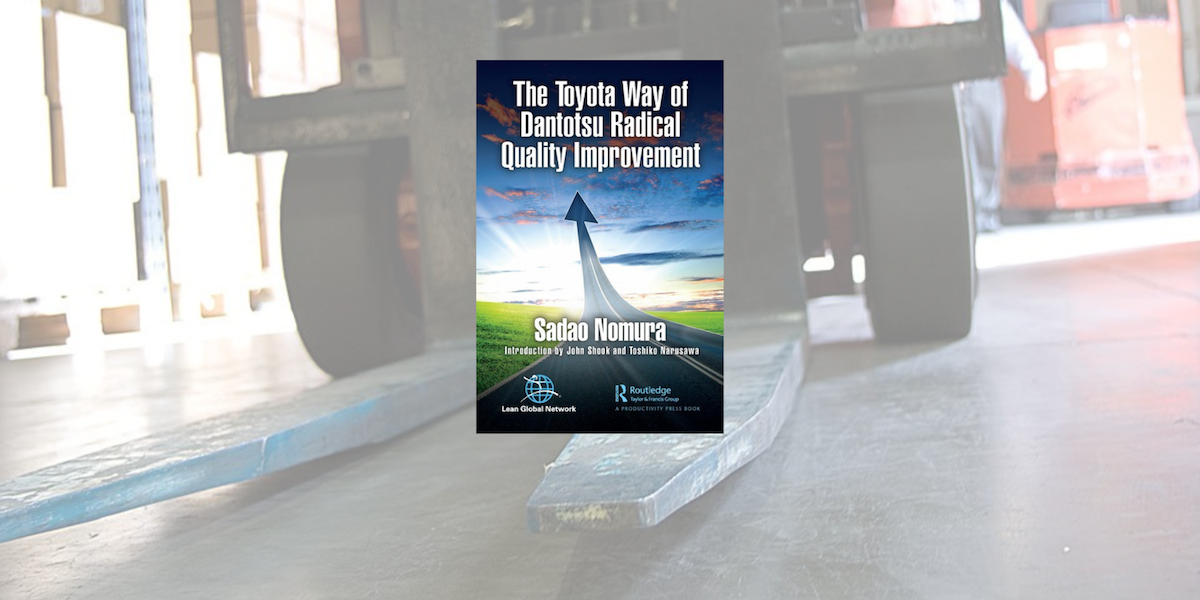
FEATURE – The authors discuss radical quality improvement at Toyota and introduce a new book by Sadao Nomura that the Lean Global Network has just co-published.

INTERVIEW – This cardiac laboratory in Singapore was targeting one improvement and ended up with something different, but equally impactful for its patient flow.

FEATURE – Ahead of the annual lean conference of LEI Polska, the authors reflect on a recent survey they ran with their clients on the key business challenges they face.
Read more
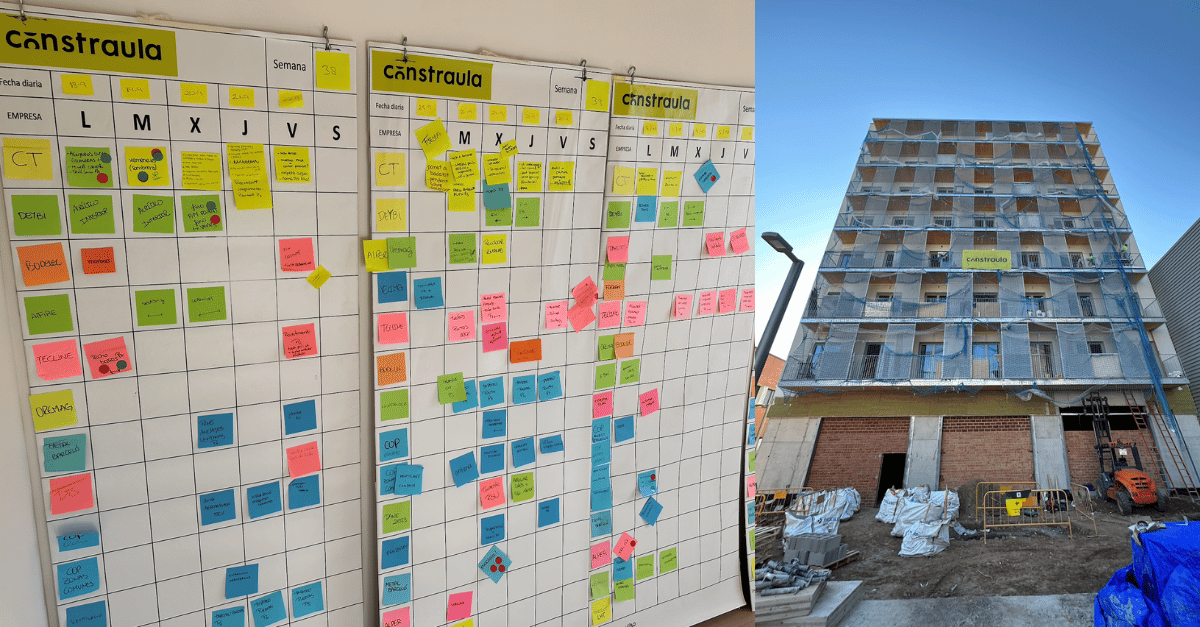
CASE STUDY – Thanks to Lean Thinking, this Spanish construction company was able to deliver a challenging project in one year, well ahead of schedule. Here’s how they did it.
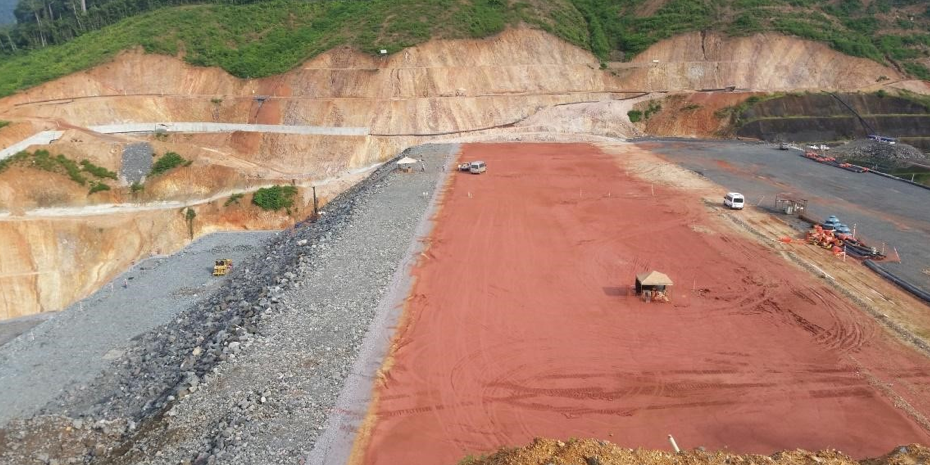
FEATURE – How lean daily management helped a Brazilian construction company to stabilize production in a tailing dam elevation project.
FEATURE – Construction is rife with waste, and yet lean is not widely adopted in the industry. The authors highlight how lean could benefit the sector, emphasizing the importance of developing problem-solving capabilities.
CASE STUDY - A Turkish shipyard and engineering company has found that lean principles and practice are the only way to deliver unique, large construction projects efficiently and successfully.