

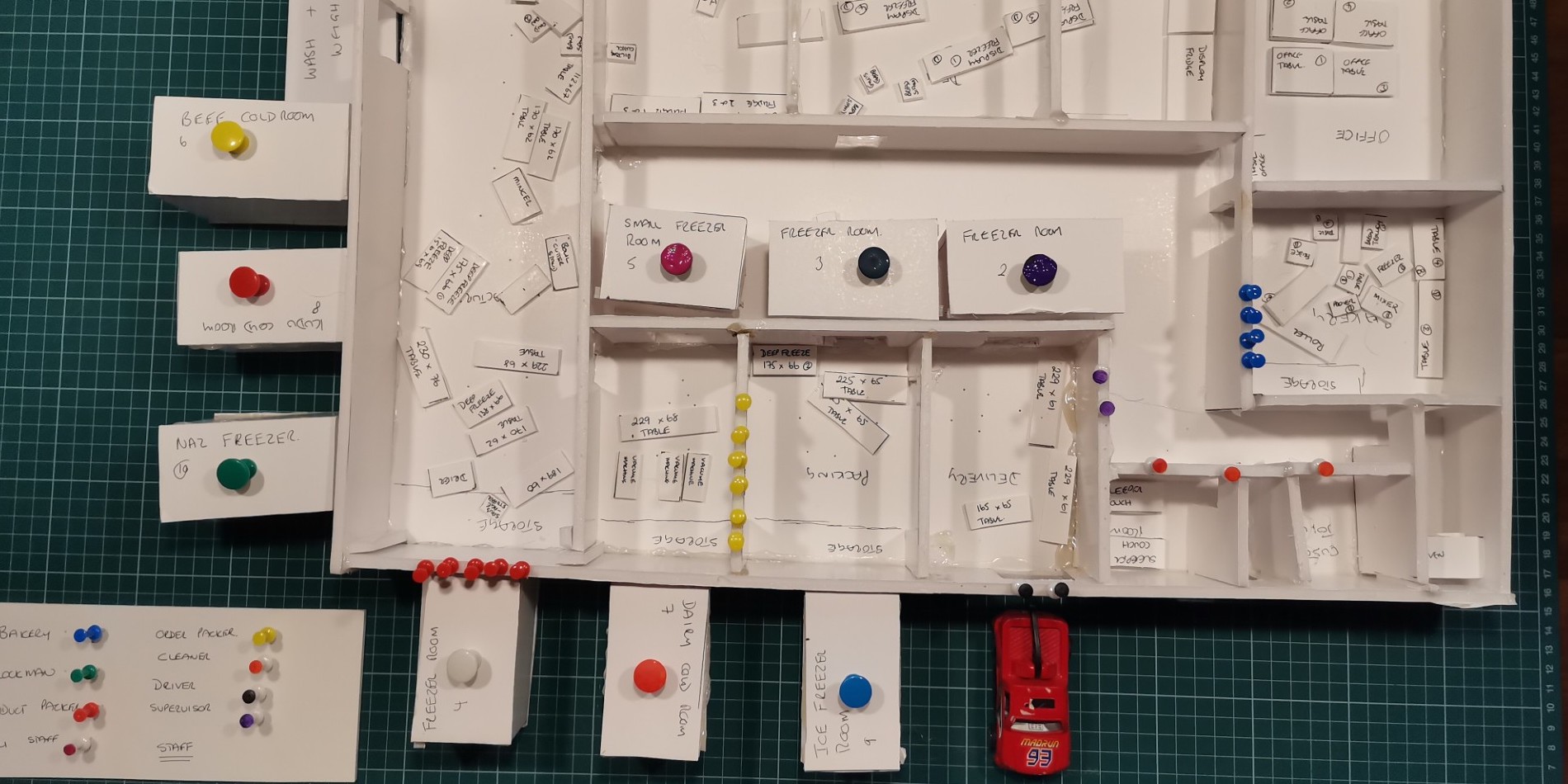

FEATURE - Looking back to her experience coaching teams in Africa, the author encourages us to introduce play in our work, as a way of teaching people and of unlocking creativity.

FEATURE – Why is lean change so hard to achieve in times of plenty? And why does it seem to be more attainable when chaos reigns? The author tries to answer these questions.

FICTION – Santa is struggling to locate the many children who are hiding from war to deliver them gifts, until the lean Time Benders come to the rescue and help him understand the problem.

FEATURE – Can lean relieve some of the pain and fear people experience in this crazy world? It can, says the author, because amid so much noise lean carries one truth.

FEATURE – We assume that what holds our transformations back is the lack of high-price resources, but more often than not it is the simplest of items.

FEATURE – We often spend a great deal of time and effort trying to fit our organizations into a box instead of building a box that fits our organization, says Sharon Visser.

FEATURE – The author reflects on the importance of standardized work in her daily life as a manager and explains why one can’t expect to run a company only using reports.

FEATURE – The lean house can be seen as a blueprint for a transformation. But what happens when CEO or other senior leaders are not aligned with the vision expressed in the roof?

FEATURE – The author discusses the impact of the Covid-19 pandemic on the companies and the needs of individuals in her town of Maun, Botswana, and wonders what role lean can play in their lives.

FEATURE – In this personal account, the author explains how Lean Thinking inspires her painting process, debunking the myth that the methodology stifles creativity.

FICTION – The pandemic is throwing curveballs to us all, including a certain bearded gentleman who lives in the North Pole – until a magic “time-bending” solution is presented to him, that is.

FEATURE – One year ago, the author started coaching organizations in her town of Maun, Botswana. Here she reflects on her experience and draws an interesting parallel between lean management and dancing.

FEATURE – Is it possible to build our lean transformation efforts on pre-existing cultural aspects we find in our societies? According to the author, it is… and it works really well.

CASE STUDY – The story of how a humble leader, who recognizes the importance and contribution of each individual to the company’s success, is making a car dealership in Botswana a fantastic example of lean transformation.

FEATURE – Visuals are a natural way in which human beings learn and teach. The author discusses why visual thinking is part of our DNA and the implications this has on our lives at work.

FEATURE – In the lean world, we are used to acronyms and abbreviations. But what’s the value of words if their meaning is lost and fails to reach those we are communicating with?

FEATURE – Using her distinctive narrative style, the author breaks down the A3 process to help you understand how it works and how you can tap into its potential.

FEATURE – To consistently identify new and better ways of doing things can breathe new life into a lean journey, but only if the knowledge developed can be effectively shared across the organization.

FEATURE – The conflict unfolding in Ukraine acts as a tragic reminder of the threat posed by despotic, unapproachable, and paranoid leaders, says Sharon Visser.
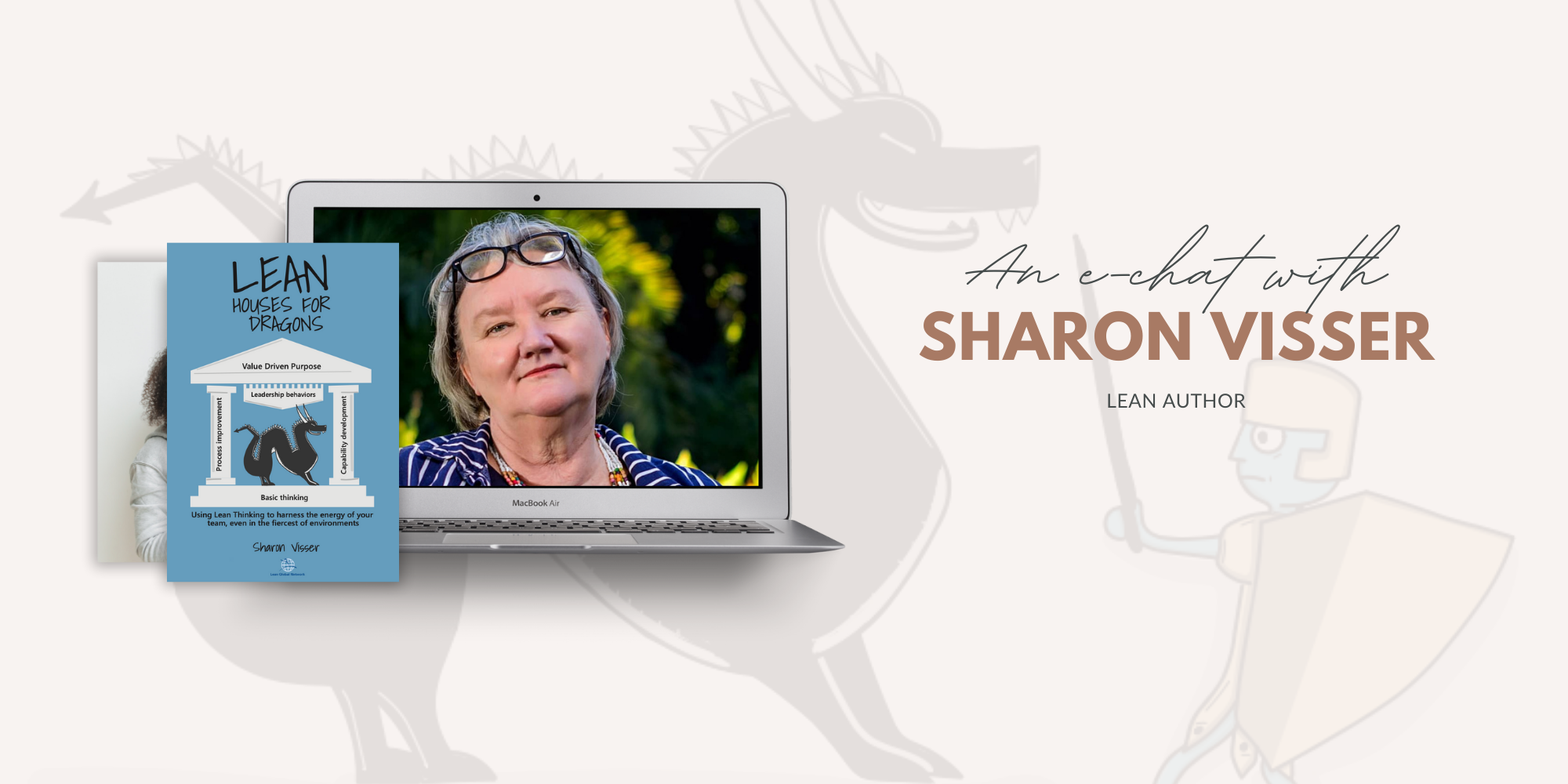
INTERVIEW – Our editor chats with Lean Houses for Dragons author Sharon Visser. They discuss her book, what fear can do to a transformation and the power of storytelling.
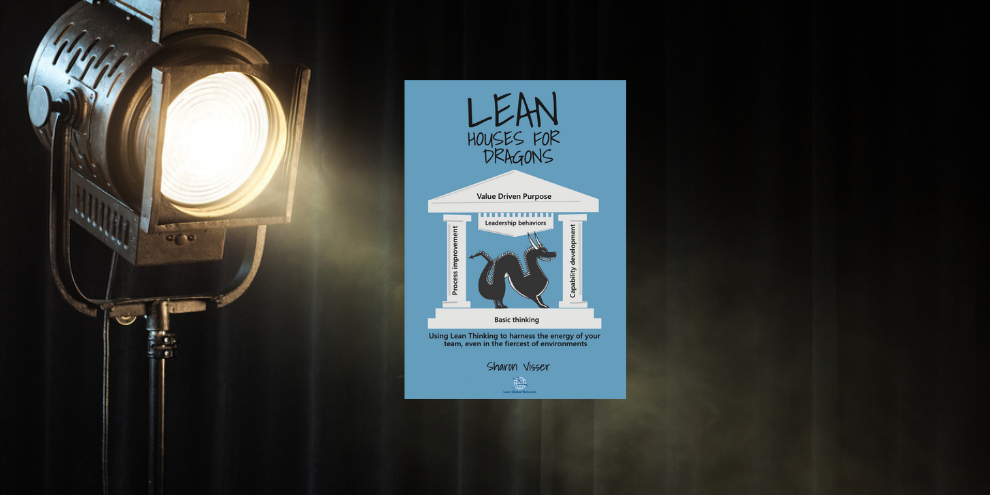
FEATURE – As her new book comes out, the author discusses how it is people who breathe life into an organization and how much a leader’s behavior can influence them.
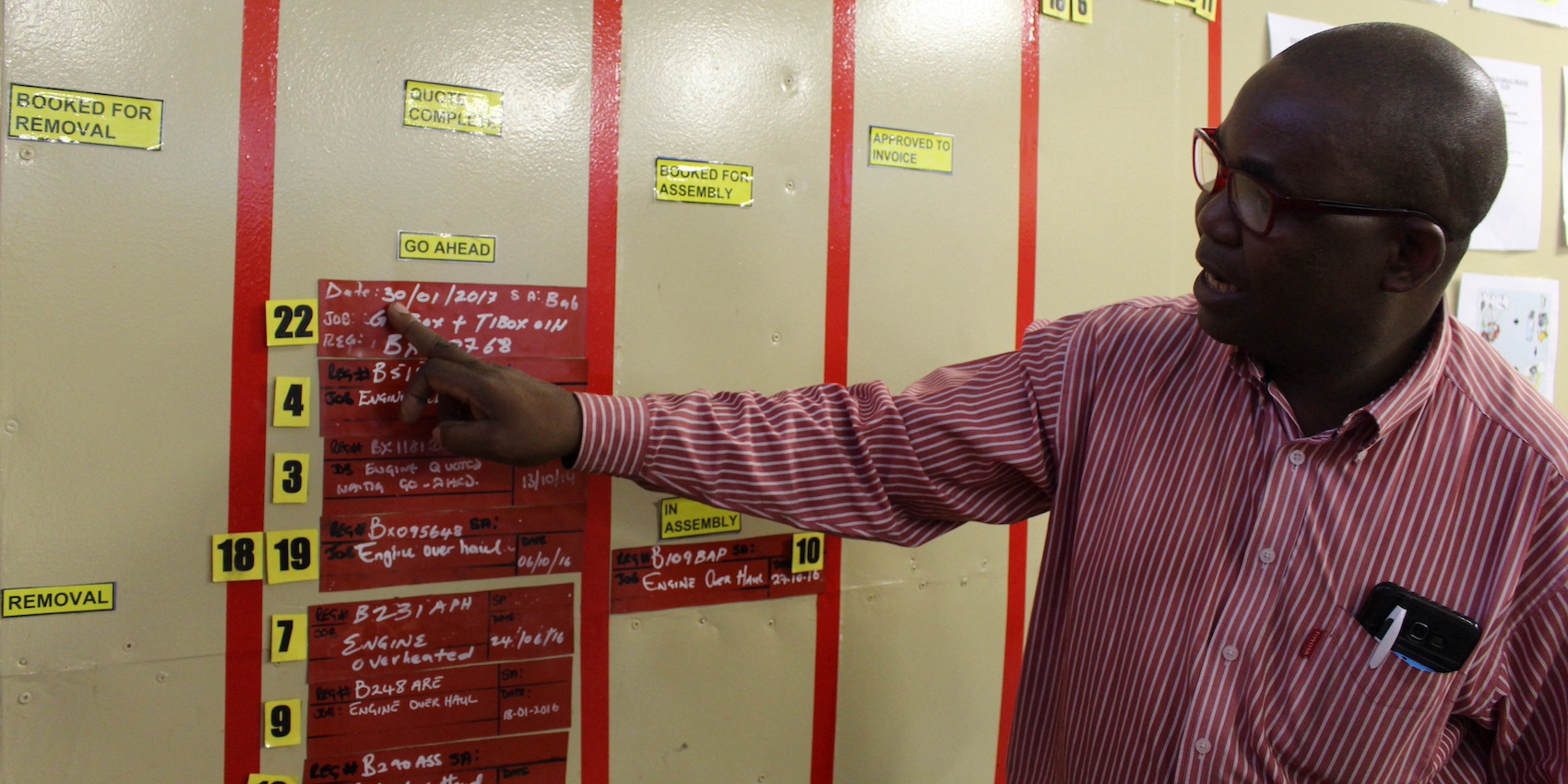
FEATURE – Sharon Visser shares her leader’s standard work from when she ran the Ngami car dealership and encourages us to use what we see at gemba to shape our own.

FEATURE – As she gets ready to publish a book on her experience running Halfway Toyota Ngami, the author looks back at one of the best visuals the team implemented during the transformation.

FEATURE – As she packs before leaving Botswana, the author tells us of a wonderful example of Lean Thinking that resurfaced from her past working in the Botswana tourism industry.

FEATURE – The author discusses two ways in which people can work together in a group – a team or a gang – and explains why you will need both at one time or another in your lean transformation.

FEATURE – This time of crisis is a perfect opportunity to use Lean Thinking to review processes, improve standards and prepare ourselves for the “reconstruction”, says Sharon Visser.

CASE STUDY – This company in Botswana has embraced lean thinking passionately to build the capacity and ability to deal with higher demand for its converted vehicles. The author tells us about their journey.

FEATURE – In this intimate, moving account, the author shares her journey of personal transformation that caused her mindset and her attitude towards employees to dramatically change.
