



FEATURE – TPS points us to what needs improving — customer value, quality, flow, people, stability — and kaizen supplies the how, through learning-by-doing. Together, they create adaptiveness, says the author, as he describes Lean as a learning system.
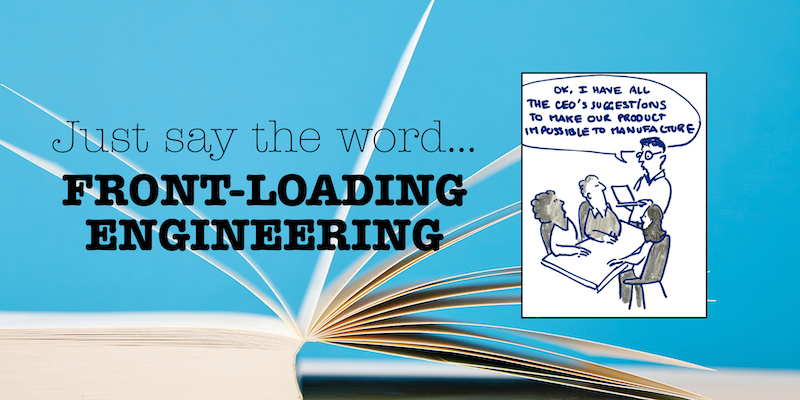
JUST SAY THE WORD - Michael Ballé explains why front-loading engineering means planning product renewal years ahead, and how Toyota's Chief Engineer role balances business, design, and technical expertise through influence, not hierarchy.

THE LONG READ – The author argues that Lean succeeds not because of its tools, but because of the attitudes that give meaning to customer focus, quality, flow, and kaizen.
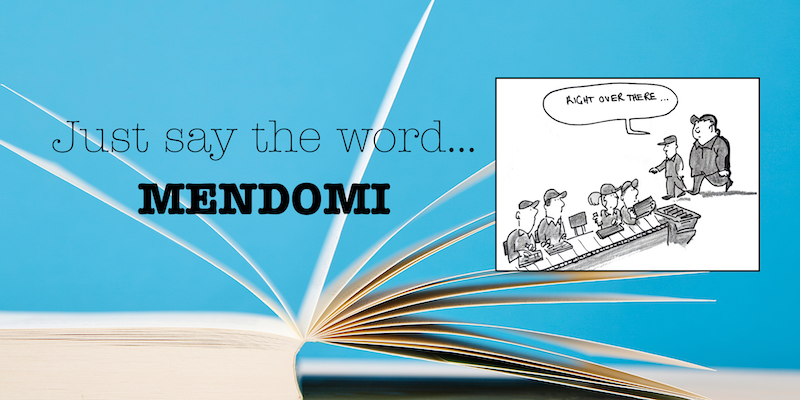
JUST SAY THE WORD – Mendomi teaches that trust, not just competence, is what makes teams and organizations (and AI adoption) truly work, explains the author as it dives into another term from his lean glossary.
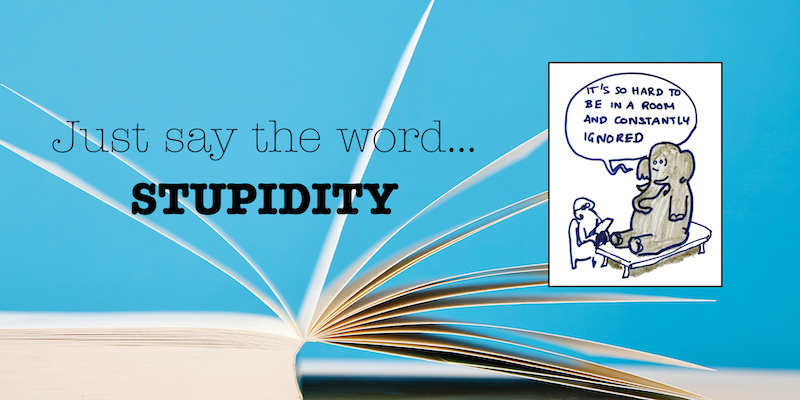
FEATURE – The author examines the term “stupidity” as the brain's default mode—motivated reasoning, cognitive dissonance, and groupthink—and how Lean's problem-awareness culture counters willful blindness to inconvenient truths.

FEATURE – The real power of Lean lies not in efficiency tools, but in its ability to turn organizations into learning networks where interaction, engagement, and shared problem solving create lasting collective intelligence.

FEATURE - In this series based on his latest book What’s Lean?, Michael Ballé explains lean terms, from the most common to the least known, to uncover the meaning and thinking behind them.

FEATURE - In this series based on his latest book What’s Lean?, Michael Ballé explains lean terms, from the most common to the least known, to uncover the meaning and thinking behind them.

FEATURE – Silicon Valley’s dominance-driven model prioritizes scale over responsibility, risking societal harm. Conversely, Lean’s human-centered approach reframes business as community-building, long-term value creation, and shared learning.

FEATURE - In this series based on his latest book What’s Lean?, Michael Ballé explains lean terms, from the most common to the least known, to uncover the meaning and thinking behind them.
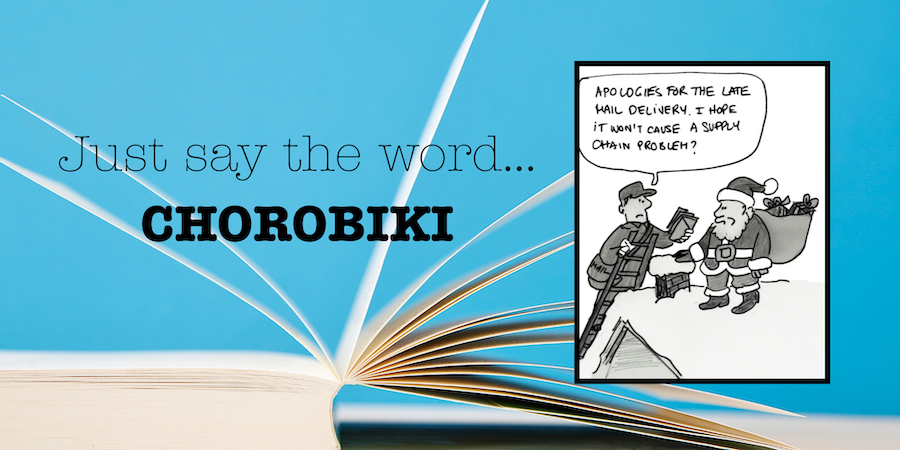
FEATURE - In this new series based on his latest book What’s Lean?, Michael Ballé explains lean terms, from the most common to the least known, to uncover the meaning and thinking behind them.
FEATURE – In this article, Michael discusses the four levers that organizations can work on to thrive in good times… and bad times.

FEATURE – To get the results we want from a system, or prevent it from generating undesirable events, we need to understand how it works and behaves in the real world. That’s exactly what Jidoka does.

FEATURE – When it comes to the fight against climate change, we can’t expect to achieve much until we fundamentally challenge the way we think about resource consumption. Lean is our tool to do that.

FEATURE – Nobody understands humans as well as humans do, and Jidoka is the key to learning about your customers and create ever-better products and services.

FEATURE – The author reflects on how lean organizations are reacting to the Covid-19 crisis and discusses the tough questions they are asking themselves.

FEATURE – Reflecting on the recently published book by Nate Furuta, the author discusses the role that deep thinking plays in a problem-finding culture and warns us against ready-to-use solutions.

INTERVIEW – In another interview in our series that looks at global events from a lean perspective, we discuss politics, the challenges to democracy and the phenomenon of populism.

FEATURE – For many organizations, devising effective strategies remains a gap to fill and that’s something lean can help with. Michael Ballé discusses strategic thinking with our editor.

FEATURE – This compelling article explores how our brain constantly looks for emotional resonance with the environment around us. Is this System-3 type thinking the key to enabling joint problem solving?

INTERVIEW – If we truly believe lean can change society, then we should use it as a lens through which to look into different aspects of our lives – even when those associations are hard to make. This month, we discuss the world of media.

FEATURE – Michael Ballé shares a few tricks he uses to escape his default thinking and ensure he makes the most of every gemba walk he goes on.

FEATURE – In this intimate account, the author reflects on the role of a lean sensei by looking back at what he’s learned from his own… his father.

FEATURE – To really embrace lean thinking means to ensure the bureaucratic structures in our organizations enable our people to excel, rather than constrain their creativity.
FEATURE – We start the new year with a reminder to put customers first, always. It is they who make our business and keep our lean initiatives true, says the author.

FEATURE – In the face of uncertainty, when it’s hard to see the road ahead, we can still make things better day after day by embracing kaizen – until we are out of the woods.

FEATURE – As inflation bites, the author offers us an insightful take into what it really means to understand a company’s costs. Hint, it doesn’t involve passing them on to customers.

FEATURE – In this compelling theoretical piece, the author reminds us how in a lean organization relations are structured around learning opportunities rather than execution. This is what ultimately enables a company to grow.

FEATURE – Looking back on the lean journeys he's seen firsthand, the author concludes that a true lean transformation occurs when you establish lines of mentoring to the Thinking People System.
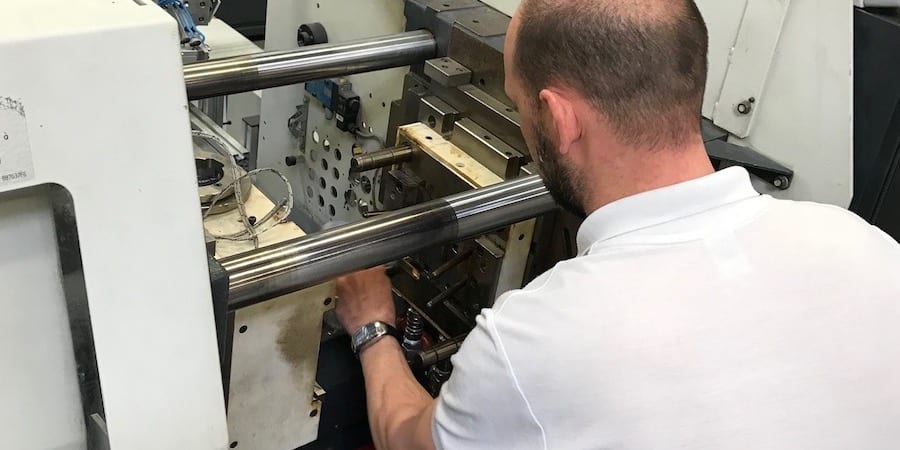
THE TOOLS CORNER – For the second article in our new series, the author offers a guide to the origins and use of one of lean's most important tools: SMED.

FEATURE – We are used to seeing the organization as a mechanical entity, but how can a machine possible change and improve? We must change our mental model and learn to see the lean enterprise as a growing plant.

FEATURE – This article explores the concept of “value network”, emphasizing the importance of looking at lead-times and value creation in a more holistic way.

INTERVIEW – What is the contribution of Lean Thinking to the battle against climate change? Michael Ballé discusses the Toyota approach to sustainability and what it takes to push "green" to the top of the business agenda.

FEATURE – Our coverage of the Covid-19 emergency continues with an article discussing how lean healthcare principles can support and protect the professionals at the front line of this war.

FEATURE – When faced with a crisis, like the current one, it is natural to wonder, “Why bother?”. Yet, this is when we most need a growth mindset and a framework like lean thinking to figure out a way forward.

FEATURE – Lean coaching is all the rage these days, but to what end? The author reframes the role of a sensei as an expert in achieving productivity by engaging everyone in kaizen.
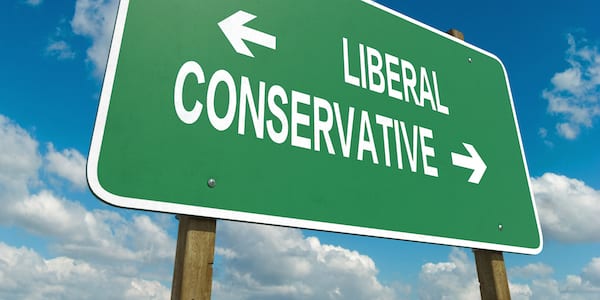
COLUMN - In political terms, is lean management more in line with conservative principles or progressive ideas? Michael Ballé reflects on a tough question.

FEATURE – Continuously studying the challenges we meet and the responses we devise, lean gives us endless opportunities to learn. The author goes back to basics, reflecting on some core lean premises.

VIDEO – We constantly talk about the role of leadership, but perhaps we don't realize just how intertwined leadership transformation and business transformation really are. This short video discusses why.

INTERVIEW – In this interview, Michael Ballé discusses lean thinking as a strategy, how to unearth problems, and the best (or only) way to initiate a lean transformation.

FEATURE – The role of experts in lean thinking is often the subject of heated discussions. Here, Michael Ballé tells us about the common mistakes lean experts make, and explains why – before helping others – they should help themselves.
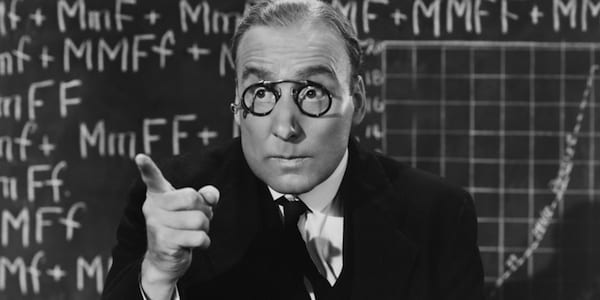
ARTICLE - Organizing for learning is critical to sustaining your kaizen efforts and improving your company. Choose the right managers, make sure they can self-develop and develop others, and help lean to take root.

FEATURE – The hardest part of a learning journey is learning to learn and figuring out what we need to learn - as opposed to we want to. The author wonders whether we are drawing the right lessons from TPS and highlights a few things we are underemphasizing.

FEATURE – In this interesting piece, the author explains how lean provided everyone, everywhere with a framework to work their intuition muscle and develop insights.

FEATURE – To wholeheartedly embrace lean means to accept changes in our hearts and minds. Understanding this means to finally grasp the reason why lean is only truly taken up by few.

FEATURE – When the clouds gather, it’s tempting to throw in the towel and ask, “What is it all for?”. The author tells us why the kaizen spirit should be our beacon now more than ever.

FEATURE – Lean provides everyone with a framework to learn continuously and do an ever-better job. Without this understanding, an executive will not be able to steer the organization in the right direction.

FEATURE – Reflecting on Nomura-san’s recently published book on radical quality improvement, the author encourages us to embrace the spirit of “Dantotsu” to meet the challenges we face as a society.

FEATURE – In this call to arms, the author encourages us to fight to prove the relevance of Lean Thinking in such difficult times and explains why only mastering it can truly address our problems.

FEATURE – Why do lean transformations benefit from the support of a sensei? Michael Ballé discusses how we typically need help to take the emotions out of the work and go down uncomfortable paths.

FEATURE – Using an effective example from every-day life, the author discusses why Kanban is the gateway to Lean Thinking – and not just a tool.

INTERVIEW – Racism is not a problem many lean thinkers are called to tackle in their daily lives at work, but that doesn’t mean that Lean Thinking has nothing to say about it.

FEATURE – As our social systems grow, we need an effective way to manage them. This makes bureaucracies an inescapable part of life for our society and businesses. But how can we mitigate their negative effects?
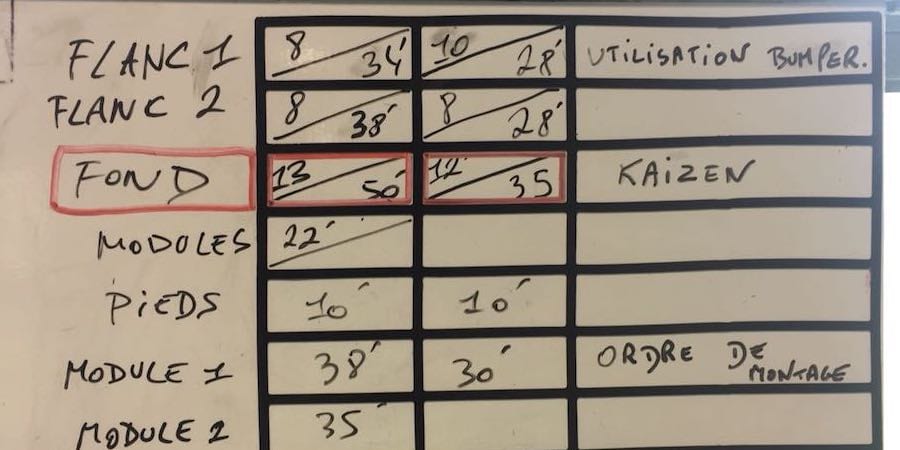
THE TOOLS CORNER – Standardizing the work is one of the fundamentals of lean thinking, but without a yamazumi chart visualizing it (and helping us to streamline it) this is impossible.
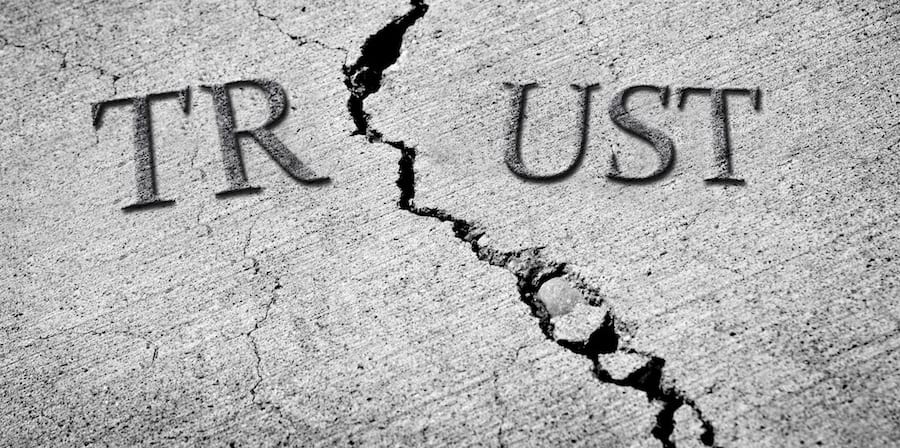
FEATURE – In this interesting piece, the author explains why living up to the ideal of mutual trust is hard, and how lean tools can help us build a workplace based on respect.
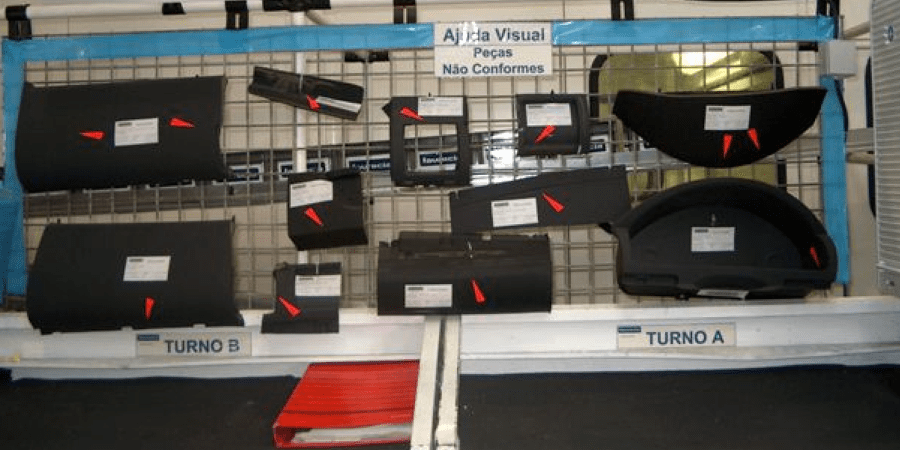
THE TOOLS CORNER – This month, the author discusses how we can ensure quality problems are identified early, tackled swiftly and prevented from reoccurring.
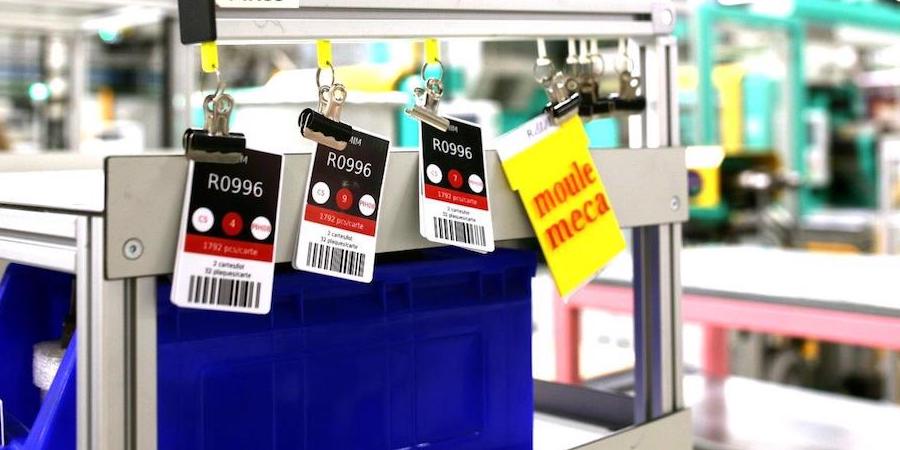
THE TOOLS CORNER – In this new series, we go back to basics, offering a guide on how to implement some of the most important lean tools and explaining why they are so clever. First up, Kanban.

FEATURE – Using the Japanese tradition of daruma dolls as an example, the author explains how to turn continuous improvement into concrete challenges – and, from that, real competitive advantage.


VIDEO - The author of Lean with Lean explains why he published a collection of papers rather than a business novel - his signature writing style - or a manual. Experience lean through the eyes of one of its greatest students... one a-ha moment at a time.

FEATURE – When lean seems to fail, leaders should persist and work even harder to bring people on the journey - by observing the situation, providing clear success criteria, and learning together on the job. That's what leading with lean is about.

FEATURE – What are the immediate signs that tell us that our workplace is not conducive to kaizen? The author draws on his experience as a coach at the gemba to highlight them. Look out for them in your own company!

FEATURE – Does lean management help us at strategic level as much as it does operationally? What’s the strategic thinking behind lean thinking? Michael Ballé answers these questions by looking back at some of history’s great military strategists.
FEATURE - Mission creep, silos and a disengaged workforce are some of the negative effects of traditional management. Michael Ballé offers an alternative based on the respect for people principle of lean thinking.

COLUMN - What does lean do for people in your organization? This column explores how their way of thinking changes as a culture of continuous improvement and problem solving takes root.

COLUMN - Michael Ballé on why Toyota still inspires him in a way that no other organization can, and on the lessons lean thinkers can learn from the two most successful carmakers.

FEATURE – If we see lean thinking as a paradigm, which we do, then we should be able to define a set of values this paradigm is built on. So, are there lean ethics? Michael Ballé identifies 10 undisputed lean values, plus one.

FEATURE - What is the relationship between lean thinking and cost-cutting? Here's why you should focus on improvements as opposed to slashing a budget.

FEATURE - The author addresses the ongoing debate on rewards and recognition, explaining how an optimal relationship between team members, team leaders and group leaders will influence motivation.

FEATURE - In his latest article, the author explains why pursuing human growth as part of our lean efforts is meaningless until we fully master our pull systems.

FEATURE - Can a company be considered lean if its improvement efforts result in layoffs? The author answers this frequently asked question drawing from his own experience dealing with organizations.

FEATURE - Michael Ballé shares a few thoughts on leadership and respect for people, and tells us why lean management is the only way to make adaptive change a way of life.
